


 Labs
Labs Supplements
 Log in
 Register
 Scan Me!



Secure Ordering | Free Shipping | 20% Off Retail Prices
Along with providing information on whether Panax (Asian) Ginseng supplements might be right for you, this article also links to Fullscript where you can buy supplements online through Fullscript’s secure healthcare formulary and get free shipping and 20% off the retail price of professional-grade supplements.
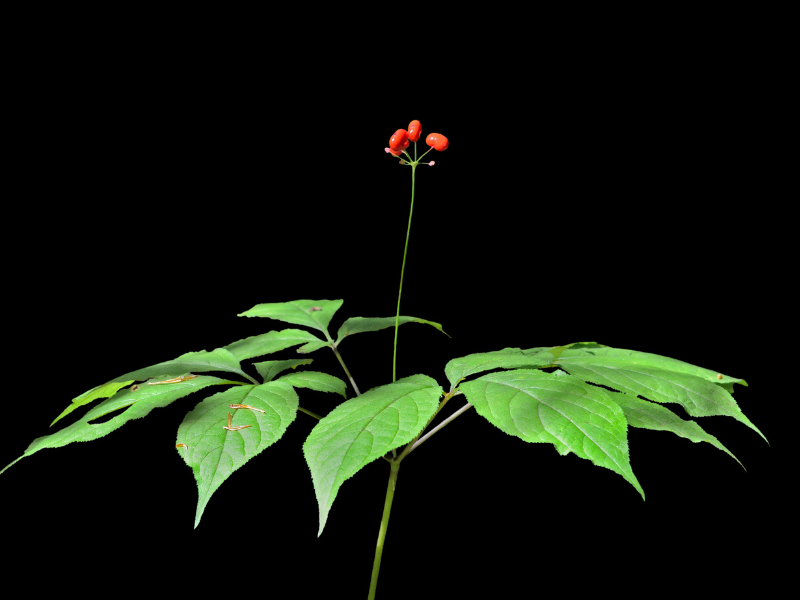
There are 2 main types of ginseng that each work differently. The Panax ginseng variety is also known as Asian, Korean, or Chinese ginseng is considered the most potent form of ginseng and is known for its warming and stimulating effects. Asian ginseng has been used in traditional Chinese medicine for centuries to boost energy, strengthen the immune system, and improve cognitive function.
Don’t confuse this with American Ginseng (Panax quinquefolius). This variety is native to North America and is considered to have more cooling and calming effects compared to Asian ginseng. It is often used to reduce stress, support the immune system, and improve mental clarity and focus.
Each type of ginseng contains different active compounds, which contribute to their unique effects on the body.
What Are The Health Benefits Of Panax Ginseng?
Some of the potential health benefits of Panax ginseng include:
- Energy and stamina: Panax ginseng is known for its ability to help increase energy levels, combat fatigue, and improve physical performance. This makes it a popular choice for those looking to enhance their overall stamina and endurance.
- Cognitive function: Some studies have suggested that Panax ginseng can help improve cognitive performance, such as memory, attention, and mental clarity. It is also believed to have neuroprotective effects, potentially delaying or preventing age-related cognitive decline.
- Immune system support: Panax ginseng has been shown to strengthen the immune system and help the body fight off infections and illnesses more effectively.
- Stress reduction: As an adaptogen, Panax ginseng can help the body better adapt to stress, promoting a sense of calm and well-being.
- Blood sugar regulation: Some research has indicated that Panax ginseng may help regulate blood sugar levels, which can be beneficial for people with diabetes or those at risk of developing the condition.
- Sexual health: Panax ginseng has been traditionally used to treat erectile dysfunction and improve overall sexual function in men. Some studies have also suggested that it may enhance libido in both men and women.
- Antioxidant properties: Panax ginseng contains compounds with antioxidant properties, which can help protect cells from oxidative damage caused by free radicals.
- Anti-inflammatory effects: Some research has shown that Panax ginseng may have anti-inflammatory properties, which could be beneficial in managing chronic inflammatory conditions.
Medication Interactions With Panax Ginseng
Panax ginseng is a popular herbal supplement that some people use to boost energy, reduce stress, and support overall health. However, it’s important to know that it can interact with certain medications. Let’s talk about a few of these interactions, but remember that I’m an AI language model, and you should always consult a healthcare professional before combining supplements with medications.
- Blood thinners: Panax ginseng might not mix well with blood-thinning medications like warfarin (Coumadin). It can increase the risk of bleeding, so if you’re taking blood thinners, it’s a good idea to ask your doctor before using ginseng.
- Diabetes medications: Ginseng might lower blood sugar levels, which could be a problem for people taking diabetes medications. If you’re on medicines like insulin or metformin, you should check with your doctor to make sure ginseng won’t cause your blood sugar to drop too low.
- Antidepressants: Some antidepressants, such as monoamine oxidase inhibitors (MAOIs), might not play nice with ginseng. Combining them could lead to high blood pressure or other problems. So, if you’re taking antidepressants, it’s best to chat with your healthcare provider about whether ginseng is safe for you.
- Immune system medications: If you’re taking medications that affect your immune system, like corticosteroids or immunosuppressants, you might want to be cautious with ginseng. It could make these medicines less effective, which isn’t great if you need them to keep your immune system in check.
Supplement Interactions With Panax Ginseng
Panax ginseng might interact with some supplements too. Here’s a list of a few supplements that could have interactions with ginseng, but remember, I’m an AI language model and you should always consult a healthcare professional before combining supplements.
- Ginkgo biloba: Both ginkgo and ginseng are known for their potential to improve mental function and blood circulation. However, combining them might increase the risk of bleeding, especially if you’re already taking blood-thinning medications. So, it’s a good idea to talk with your doctor if you’re thinking about using both.
- St. John’s wort: St. John’s wort is an herbal supplement often used to help with mild to moderate depression. Mixing it with ginseng could lead to increased stimulation, which might cause problems like restlessness or trouble sleeping. Be cautious when combining these two supplements.
- Caffeine: Ginseng might increase the effects of caffeine, leading to an increase in heart rate, blood pressure, or jitteriness. If you consume a lot of caffeine (like in coffee, tea, or energy drinks), you might want to watch out for potential side effects when adding ginseng to the mix.
- Other blood sugar-lowering supplements: Since ginseng can lower blood sugar levels, combining it with other supplements that have a similar effect (like fenugreek, cinnamon, or bitter melon) might cause your blood sugar to drop too low. If you’re using these supplements, check with your healthcare provider before adding ginseng.
Panax Ginseng – 250 mg
Panax ginseng has long been utilized to assist the body in adapting to physical and emotional stress. During prolonged exercise, Panax ginseng promotes endurance and stamina by sparing carbohydrates and allowing skeletal muscle to oxidize free fatty acids for energy production. Panax ginseng also encourages adrenal gland health in times of occasional stress by maintaining healthy levels of certain adrenal hormones, most notably, corticosterone. This versatile herb supports male reproductive health by supporting testosterone and spermatozoa levels. In addition, Panax ginseng promotes memory and learning, and nutritionally supports immune function and cardiovascular health.*
Panax ginseng helps the body adapt to its environment by enhancing endurance and adrenal gland health. Pure Encapsulations Panax Ginseng provides 15% ginsenosides, the highest standardization available.*
Take 2–3 capsules per day, in divided doses, between meals.
Amount Per 1 Capsule Serving
Panax ginseng extract … 250mg
(standardized to contain 15% total ginsenosides)
Not to be taken by pregnant or lactating women. Panax ginseng has been associated with insomnia. Heart palpitations, tachycardia, breast pain, vaginal bleeding, blood pressure changes, edema, rash, headache and vertigo have also rarely been reported. Panax ginseng is contraindicated for individuals with high blood pressure. Consult your physician for more information.
Panax ginseng may be contra-indicated with blood thinning and immunosuppressant medications. There is evidence that panax ginseng could affect the way that the liver breaks down medications metabolized by the cytochrome P450 system, altering the effects of these medications and possibly the dose needed for treatment. Individuals on anti-diabetes medications may require blood glucose monitoring. Consult your physician for more information.
This Article is Not a Substitute for Medical Advice
Dietary supplements are not designed to diagnose, treat, cure, or prevent any disease. The Supplement Sciences website seeks to provide comprehensive access to the most relevant supplement information along with convenient online ordering. We do not provide medical advice and cannot guarantee that every product suggested is completely without risk. Since each person is unique in their health history and medication use, it is important to discuss supplements with your personal physician. Specifically, pregnant women and individuals being treated for cancer or liver or kidney problems must consult their physician about every nutritional supplement they plan to take. People taking medications for the treatment of HIV or with a history of organ transplant must not take supplements without consulting with their physician.
