


 Labs
Labs Supplements
 Log in
 Register
 Scan Me!



Secure Ordering | Free Shipping | 20% Off Retail Prices
Along with providing information on whether Gallstones supplements might be right for you, this article also links to Fullscript where you can buy Gallstones supplements online through the secure healthcare formulary and get free shipping and 20% off the retail price of professional-grade supplements.
It’s important for dieters to be aware of possible risks that certain weight loss strategies can pose, especially when it comes to the development of gallstones—a common yet often overlooked complication of rapid weight loss. This article aims to serve as a “heads up” for persons pursuing dietary changes, shedding light on how certain dieting practices increase the risk of gallstones. We will also explore how the strategic use of supplements might play a role in reducing gallstone risk. Whether you’re considering a diet overhaul or fine-tuning your nutritional intake, understanding the connection between dieting, gallstones, and the protective ability of supplements is essential for a healthy and informed weight loss journey.
What Are Gallstones?
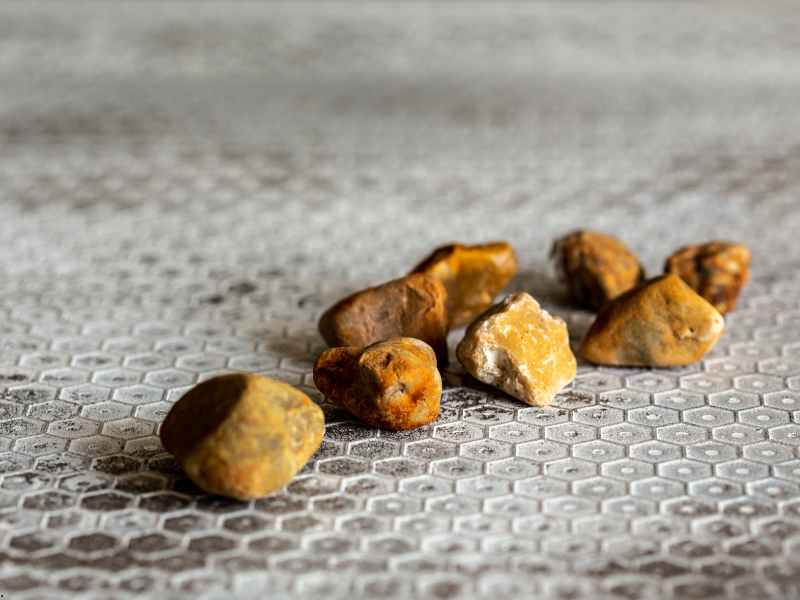
Gallstones are small, hard bits that can form inside the gallbladder, a small organ under the liver that helps digest fats by storing and concentrating bile. The gallbladder contracts in response to fats in the diet. Long-chain fats signal to release of stored bile but MCTs (medium chain triglycerides) do not signal the gallbladder to empty.
Gallstones form when the mix of substances in bile—mainly cholesterol, bile salts, and a waste product called bilirubin—gets out of balance. If there’s too much cholesterol or bilirubin, or not enough bile salts, stones can start to form. Several things can raise the chance of getting gallstones, such as being overweight, losing weight very quickly, eating a lot of fatty foods, and certain health issues like diabetes or liver problems. Also, who you are can make a difference—things like your family history, how old you are, and if you are a woman (since women are more likely to get gallstones than men).
The classic symptoms of gallstones include sudden and severe pain in the upper right quadrant of the abdomen and sometimes accompanied by nausea and vomiting. Depending on the situation, doctors might just keep an eye on them, use medicine to dissolve the stones, or suggest surgery to take out the gallbladder if the problem is serious. If a gallstone moves and blocks the common bile duct, it can lead to serious problems, including severe pain, jaundice, and possibly life-threatening complications like pancreatitis or bile duct infection.
Making healthy lifestyle choices, like eating a balanced diet and keeping a healthy weight, can help prevent gallstones from forming and keep the gallbladder working well.
How Do Low Fat and “Crash Diets” Cause Gallstones To Form?
Low-calorie or “Crash” diets, especially those that drastically reduce or eliminate fats, can lead to gallstone formation, a condition where small, hard deposits develop in the gallbladder. This organ, nestled beneath the liver, plays a pivotal role in digesting fats by storing and releasing bile, a digestive fluid. When the diet lacks fats, the gallbladder doesn’t receive the signal to empty its bile stores. This lack of gallbladder activity, combined with the liver’s increased cholesterol secretion into the bile due to rapid weight loss, disrupts the delicate balance of bile components.
The process unfolds in two main steps: First, the fat-free aspect of the diet prevents the gallbladder from emptying regularly because it’s fat in the diet that normally triggers the gallbladder to release bile. Consequently, bile remains in the gallbladder for extended periods. At the same time, the body’s response to rapid weight loss by increasing cholesterol levels in the bile worsens the situation. When bile stagnates in the gallbladder the cholesterol in bile crystallizes, leading to gallstone formation. Besides that, this environment can lead to the formation of bile sludge, a precursor to stones, further increasing the risk of gallbladder problems.
For those considering very low-calorie or “crash” diets or fat-free eating plans as a solution to weight loss, understanding these risks is crucial. High-fat meals can reduce the risk of bile sludge and gallstones.
What Food and Lifestyle Factors Are Important For Preventing Gallstones?
- Low-Fat Diet: Consuming a diet low in saturated fats and cholesterol can help prevent the formation of gallstones. Opt for lean proteins, whole grains, fruits, and vegetables, and limit high-fat foods such as fried foods, fatty meats, and full-fat dairy products.
- High-Fiber Foods: Incorporating high-fiber foods like fruits, vegetables, and whole grains can help regulate digestion and prevent constipation, which may reduce the risk of gallstone formation.
- Healthy Weight Management: Maintaining a healthy weight through regular exercise and balanced nutrition is essential for preventing gallstones. Aim for a gradual and sustainable weight loss if overweight, as rapid weight loss can increase the risk of gallstone formation.
- Hydration: Staying well-hydrated by drinking plenty of water throughout the day can help keep bile flowing smoothly and prevent the formation of gallstones.
- Regular Physical Activity: Engaging in regular physical activity, such as walking, jogging, or swimming, can help reduce the risk of gallstones by promoting healthy digestion and weight management.
- Avoid Crash Diets: Avoid crash diets or rapid weight loss programs, as they can increase the risk of gallstone formation. Instead, focus on making gradual and sustainable changes to your diet and lifestyle.
- Limit Alcohol Consumption: Excessive alcohol consumption can increase the risk of gallstone formation. Limit alcohol intake to moderate levels or avoid it altogether to reduce the risk of developing gallstones.
What Are The Recommended Supplements For Preventing Gallstones?
Once gallstones form, there are no supplements that will help dissolve them. In these cases, a physician will either recommend surgery or prescription medication to prevent serious complications. However, for those at risk for gallstones who are looking for prevention, several supplements may help. These include:
- Milk Thistle: For centuries, milk thistle extracts have been used for liver and gallbladder issues, containing beneficial compounds called flavonolignans, notably silymarin. Milk Thistle increases bile flow and bile salt secretion. [PMID: 10692567]
- Dandelion Root: Dandelion root, traditionally used as a diuretic and for liver support, also shows promise in treating digestive issues and promoting gastrointestinal health. It is widely thought to stimulate bile production and enhance bile flow, aiding in managing gallstones by promoting the elimination of substances that could form stones. PMID: 35405251
- Curcumin: Curcumin improves bile flow, contributing to the prevention of gallstone formation by ensuring cholesterol and other substances do not concentrate excessively in the gallbladder. [PMC9100705]
- Omega-3 Fatty Acids: Omega-3 Fatty Acids, found in fish oil and flaxseed oil, may reduce cholesterol content in bile, lowering the risk of cholesterol gallstones, the most common type of gallstones. Research also shows that higher levels of omega-3 and omega-6 fatty acids are associated with a decreased risk of gallstones. [PMC9537577]
- Fiber Supplements: Soluble fiber binds to cholesterol in the intestines, reducing its absorption and preventing cholesterol from concentrating in bile, thereby lowering the risk of cholesterol gallstone formation. A study examined whether dietary fiber intake is associated with gallstone disease risk. It found that higher fiber intake was linked to a reduced risk of gallstones, especially among overweight or obese persons. [PMC10091554]
- Artichoke Leaf Extract: Enhances bile production and improves bile flow, crucial for managing gallstones by facilitating regular gallbladder emptying and reducing the risk of stone formation. [PMID: 12587687]
- Lecithin: Found in soy and egg yolks, lecithin contains phospholipids that reduce the concentration of cholesterol in bile. By increasing the phospholipid content in bile, lecithin can help enhance the solubility of cholesterol in bile, reducing the likelihood of cholesterol crystallizing and forming gallstones. [PMID: 9053971]
- Peppermint Oil: Known for its ability to relax the muscles in the digesive tract, peppermint oil may help alleviate symptoms associated with gallstones, such as pain and discomfort. [PMC5814329]
- Magnesium: Research suggests that taking magnesium supplements might help stop gallstones from forming by lowering cholesterol in bile and improving how the gallbladder moves. A recent study also found that higher magnesium intake could lower the risk of gallstones in adults in the US, and it seems that a certain marker in the blood (called the atherogenic index of plasma) helps explain this connection. [PMC10953275]
- Vitamin C: In a study, researchers looked at whether taking vitamin C regularly is linked to a lower risk of gallstones. They found that people who reported taking vitamin C supplements were about 66% less likely to develop gallstones compared to those who didn’t take them. [PMC2763865]
- Berberine: Berberine, a compound found in several plants, has been studied for its role in managing gallstones. It may help in reducing inflammation, preventing cholesterol crystal formation and gallstone development, and regulating cholesterol levels in the body and bile. It may also have therapeutic effects on gallbladder inflammation and gallstones. [PMC8497101]
Dietary supplements are not designed to diagnose, treat, cure, or prevent any disease. This article aims to offer valuable insights into which nutritional supplements have undergone scientific study and shown promise in supporting specific health conditions. We break down the research, so you can work with your medical providers to make informed decisions about adding supplements to your health regimen. For personalized advice tailored to your needs, we recommend consulting with a registered dietitian in addition to your primary care provider.
Check with your physician when adding supplements. While supplements are generally safe for most people, do not add nutritional supplements without your physician’s specific approval if you are pregnant or nursing, are undergoing cancer treatment, have a history of organ transplant, liver or kidney disease, or take medications that interact with supplements.
Order Supplements For Managing Gallstones
Why Professionals Choose the Fullscript Formulary
Your health is on the line. Health professionals know that many other online and retail options set a very low bar for quality–sometimes amazingly low. The Fullscript formulary is the most secure online source for the highest quality brands securely sourced to assure freshness and purity. Here’s what makes Fullscript the best:
- Meticulous vetting of brand quality. Health professionals trust Fullscript to continuously monitor the quality of each item on the platform. Other retailers operate with profit as their highest or only motive when choosing brands. Fullscript cares only about quality and reliability. Unlike discount stores, large online marketplaces, and other retailers you won’t find ingredients sourced from China or other questionable locations or companies.
- Always 20% Discount off the manufacturer’s retail price. When you follow any link from Supplement-Sciences.com, you will automatically get 20% off the retail price.
- Free shipping over $50.
- Freshness. Fullscript prioritizes freshness over bulk buying even if it means an increased risk of briefly being out of stock.
- Top quality phone and online support. When you call, knowledgeable humans at Fullscript answer your questions.
- How It Works:
- Easy Sign-up & No Spam Email: Click the “View Product” button below to be taken to Fullscript’s login page where you can quickly create your secure account with just your name, email, and phone number. Then you will be taken directly to the product page.
- Wide variety of supplement options: Once you sign in to your account, you are not limited to the products listed below. You will see similar items listed at the bottom of each product page on Fullscript.
- Search For What You Want: Once inside Fullscript, you can search for the exact brands and products you want from their wide selection of quality brands.
When you purchase linked products presented on this page, Supplement Sciences, LLC receives affiliate fees so that our dietitians can continue to create great content.
Thank you for your support!
Supplement Safety Information
These natural supplements, including Milk Thistle, Dandelion Root, Turmeric, Omega-3 Fatty Acids, Fiber Supplements, Artichoke Leaf Extract, Lecithin, Peppermint Oil, Magnesium, Vitamin E, Vitamin C, and Berberine, are safe when used for preventing gallbladder stones. They have been extensively studied and are commonly used as dietary supplements due to their potential health benefits and low risk of adverse effects. Research suggests that these supplements can help support gallbladder health by promoting bile production, improving bile flow, reducing cholesterol levels, and preventing inflammation.
Medication Interactions:
- Antipsychotic medications: Milk Thistle might diminish the effectiveness of antipsychotic drugs, possibly reducing their ability to manage psychiatric symptoms.
- Statins: Milk Thistle could interact with statin medications, increasing the likelihood of experiencing side effects associated with these cholesterol-lowering drugs.
- Diuretics: Dandelion Root may intensify the effects of diuretic medications, causing excessive fluid loss and disrupting electrolyte balance.
- Blood thinners: Dandelion Root may elevate the risk of bleeding when combined with blood-thinning medications like warfarin or aspirin. Similarly, Turmeric and Omega-3 Fatty Acids may potentiate the effects of blood thinners, heightening the risk of bleeding complications.
- Diabetes medications: Turmeric may lower blood sugar levels, which could lead to hypoglycemia when taken alongside diabetes medications.
- Medications taken orally: Fiber Supplements could interfere with the absorption of certain orally administered medications, diminishing their effectiveness.
- Cholesterol-lowering medications: Artichoke Leaf Extract may enhance the effects of cholesterol-lowering drugs, and may cause excessively low levels of cholesterol in the blood.
- Blood pressure medications: Omega-3 Fatty Acids, Peppermint Oil, and Magnesium may reduce blood pressure, which could lead to an additive effect when combined with blood pressure-lowering medications.
- Antibiotics: Magnesium might decrease the absorption of certain antibiotics, possibly reducing their effectiveness against bacterial infections.
- Chemotherapy drugs: High doses of Vitamin C might interfere with the effectiveness of certain chemotherapy medications, could diminish their ability to treat cancer.
- Blood sugar-lowering medications: Berberine may intensify the effects of medications used to lower blood sugar levels, possibly causing hypoglycemia.
Supplement Interactions:
- Milk Thistle: Vitamin E can enhance the antioxidant properties of milk thistle, which may provide stronger protection for the liver. Additionally, combining milk thistle with berberine may offer additional support for liver health by targeting different pathways.
- Dandelion Root: Vitamin C could strengthen the immune-boosting effects of dandelion root, offering added support during times of illness. Meanwhile, magnesium may help improve digestion by promoting regular bowel movements and relieving constipation.
- Turmeric: Omega-3 fatty acids may amplify turmeric’s anti-inflammatory effects, could reduce inflammation throughout the body. Peppermint oil, when combined with turmeric, may provide additional digestive support, soothing symptoms like bloating and gas.
- Omega-3 Fatty Acids: Fiber supplements can work together with omega-3 fatty acids to promote heart and digestive health, supporting overall health. Vitamin C may enhance the immune-boosting properties of omega-3 fatty acids, possibly strengthening the body’s defense against infections and illnesses.
- Fiber Supplements: Artichoke leaf extract may complement the digestive benefits of fiber supplements, supporting healthy digestion and regular bowel movements. Lecithin may help lower cholesterol levels when combined with fiber supplements, promoting heart health and reducing the risk of cardiovascular diseases.
- Artichoke Leaf Extract: Peppermint oil may provide additional digestive support when combined with artichoke leaf extract, could alleviate symptoms like bloating and indigestion. Magnesium may support liver health by promoting detoxification processes and reducing inflammation in the liver.
- Lecithin: Vitamin E may enhance the antioxidant effects of lecithin, protecting cells from damage caused by free radicals and oxidative stress. Vitamin C may strengthen the immune-boosting properties of lecithin, helping the body fight off infections and illnesses more effectively.
- Peppermint Oil: Magnesium may complement the digestive benefits of peppermint oil by promoting smooth muscle relaxation in the digestive tract, reducing symptoms like cramping and discomfort. Additionally, vitamin E may enhance the antioxidant effects of peppermint oil, protecting cells from oxidative damage and inflammation.
- Magnesium: Vitamin C may strengthen the immune-boosting effects of magnesium, supporting overall immune function and reducing the risk of infections. Berberine may enhance cardiovascular health when combined with magnesium, promoting healthy blood pressure and cholesterol levels.
- Vitamin E: Vitamin C can amplify the antioxidant properties of vitamin E, protecting cells from damage caused by free radicals and oxidative stress. Berberine may complement the cardiovascular benefits of vitamin E, supporting heart health and reducing the risk of heart disease.
- Vitamin C: Berberine may enhance the immune-boosting effects of vitamin C, supporting the body’s defense against infections and illnesses. Additionally, vitamin C can work synergistically with other nutrients to promote overall health.
- Berberine: Peppermint oil may provide additional digestive support when combined with berberine, alleviating symptoms like bloating and indigestion. Additionally, vitamin C may enhance the immune-boosting properties of berberine, supporting overall immune function and reducing the risk of infections.
Food First!
Although this article discusses supplements in detail, don’t forget that we are absolutely committed to the “Food First” approach to nutrition. When it comes to your health, the totality of your eating habits far surpasses the impact of individual nutrients or any single supplement you consume. Even though this article doesn’t delve into the broader picture of your overall diet, it’s crucial to keep this element at the forefront of our minds. Your food needs to provide all the vitamins, minerals, fiber, and phytochemicals to nourish your body systems down to the cellular level.
Food choices, rather than supplements, are the most critical factors for a healthy gut microbiome. These trillions of tiny inhabitants in your gut affect your brain waves; they orchestrate your immune system. They possess the power to create molecules that can switch genes on or off and are even capable of synthesizing neurotransmitters. Opting for organic foods and steering clear of plastic packaging (including those labeled BPA-free) is a smart move to limit toxin exposure. The sum of all these parts leads to a powerful conclusion: the ultimate key to your health lies in the quality and balance of the food you consume. Supplements are secondary.
To Sum It Up
Incorporating Milk Thistle, Dandelion Root, Turmeric, Omega-3 Fatty Acids, Fiber Supplements, Artichoke Leaf Extract, Lecithin, Peppermint Oil, Magnesium, Vitamin E, Vitamin C, and Berberine into your daily routine can offer various health benefits for preventing gallbladder stones. These natural remedies may support liver health, aid digestion, reduce inflammation, lower cholesterol levels, and promote overall health. By including these supplements in your diet, you may reduce the risk of developing gallstones and support your body’s natural mechanisms for maintaining gallbladder health.
This Article is Not a Substitute for Medical Advice
Dietary supplements are not designed to diagnose, treat, cure, or prevent any disease. The Supplement Sciences website seeks to provide comprehensive access to the most relevant supplement information along with convenient online ordering. We do not provide medical advice and cannot guarantee that every product suggested is completely without risk. Since each person is unique in their health history and medication use, it is important to discuss supplements with your personal physician. Specifically, pregnant women and individuals being treated for cancer or liver or kidney problems must consult their physician about every nutritional supplement they plan to take. People taking medications for the treatment of HIV or with a history of organ transplant must not take supplements without consulting with their physician.
